



The Death of RMG and the Rise of PROG: India’s 2026 Regulatory Earthquake Decoded
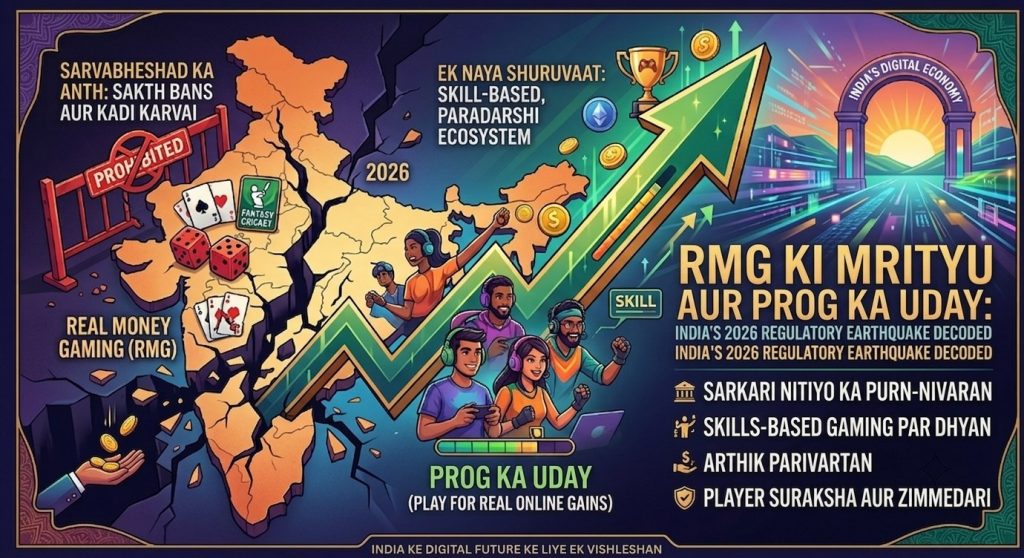
Kafi saalon se Indian iGaming landscape ek bade hi frustrating grey zone mein operate kar raha tha. Operators ne State High Courts mein “Game of Skill vs. Game of Chance” ke legal chakkar kaatne mein millions kharch kar diye. Small-scale adjustments ka zamana ab gaya, kyunki May 1, 2026 se wo pura daur officially khatam ho chuka hai.
Promotion and Regulation of Online Gaming (PROG) Rules, 2026 ke enforcement ke sath, Central Government ne state-level ambiguities ko bypass kar diya hai. MeitY (Ministry of Electronics and Information Technology) ne ek scorched-earth policy deploy ki hai. Yeh koi normal regulatory tightening nahi hai; yeh ek structural shift hai—taxation se seedha Real Money Gaming (RMG) ke absolute operational strangulation (poori tarah se rasta rokne) ki taraf.
Agar aapki South Asia growth strategy abhi bhi wahi purane 2024-2025 ke compliance frameworks par chal rahi hai, toh aapka traffic aur payment rails bohot jald ek deewar se takrane wale hain. Chaliye is law ke real architecture aur un actual data points ko samajhte hain jo sach mein matter karte hain.
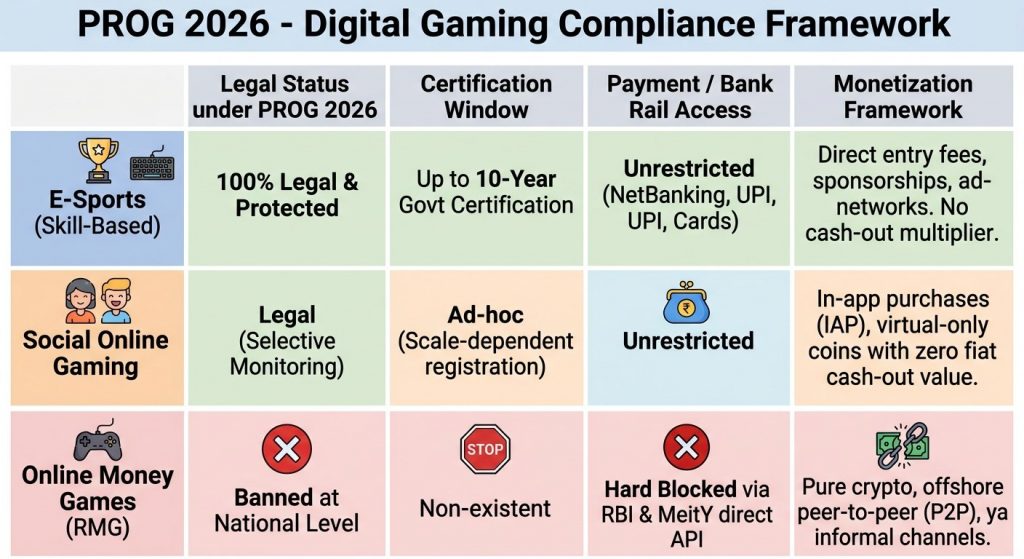
The Three-Tier Classification Matrix (The 10-Year Loophole)
PROG Rules ne India ke complex gaming definitions ko teen rigid buckets mein divide kar diya hai. Business survival ke liye yeh samajhna bohot zaroori hai ki aapka tech stack kahan fit hota hai.
The E-Sports Pivot Strategy
Bohot saare legacy RMG brands ab apne apps ko “E-Sports platforms” ki tarah re-skin karne ki koshish kar rahe hain, taaki newly formed Online Gaming Authority of India (OGAI) se wo coveted 10-year certification haasil kiya ja sake.
Expert Insight: OGAI ka audit framework seedha aapke game loop logic ko check karta hai. Agar koi user INR 500 deposit karta hai, tournament khelta hai, aur variable distribution pool ke basis par INR 2,500 withdraw karta hai—chahe us game mein kitni bhi heavy mechanical skill kyun na lagti ho (like fantasy cricket ya rummy variants)—use automatically ek Online Money Game flag karke blacklist kar diya jayega. E-Sports filter ko paas karne ke liye prize pool fixed hona chahiye, user ke deposit volume se independent hona chahiye, aur wo ek OGAI-approved algorithmic auditor se certified hona chahiye.
MeitY’s Financial Guillotine: How Payment Blocking Actually Works
Aksar generic articles mein bas itna likha hota hai ki “banks ko transactions process karne se mana kar diya hai.” Par chaliye dekhte hain ki actual financial infrastructure ko 2026 mein RMG ko khatam karne ke liye kaise manipulate kiya ja raha hai.
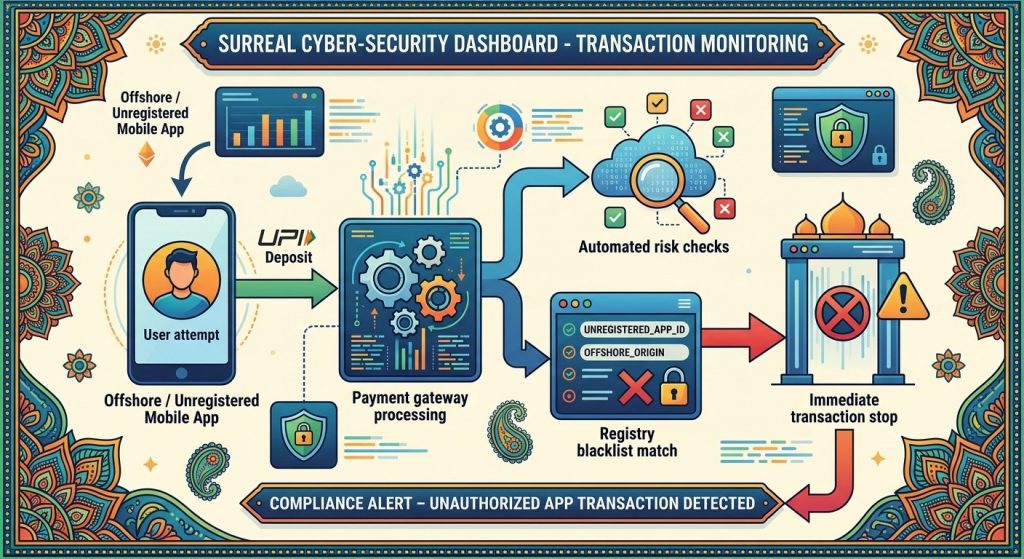
Reserve Bank of India (RBI) ne, MeitY ke mandates ke under, OGAI Blacklist ko directly UPI (Unified Payments Interface) aur IMPS/NEFT ke central clearing houses mein integrate kar diya hai.
The Mechanism
- Merchant Category Code (MCC) Scrutiny: Jo bhi transactions MCC 7995 (Gambling/Betting) ke under aate hain ya phir jin accounts ko IT consultation descriptors ke naam par mask kiya gaya hai, unpar ab automated velocity checks lagaye ja rahe hain.
- The Aggregator Liability: Agar koi local Payment Gateway (PG) kisi offshore platform ko proxy corporate name ke under money process karne deta hai, toh us PG ko PMLA (Prevention of Money Laundering Act) ke under ek non-bailable compliance breach notice face karna padega. Iska result hoga unke apne nodal accounts ka immediate freeze. Is wajah se local payment processors ab itne paranoid ho chuke hain ki wo gaming mechanics se jude 1% exposure wale clients ko bhi platform se offboard kar rahe hain.
The Offshore Dilemma: VPNs, Crypto, and P2P Under PROG 2026
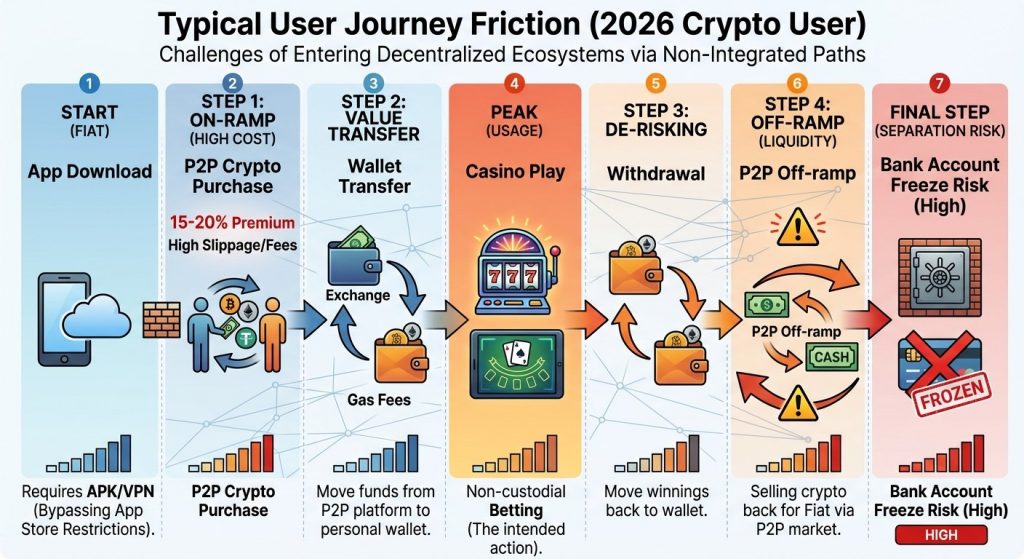
Kya offshore operators MeitY ko ignore karke Crypto ya localized P2P networks par rely kar sakte hain? Short answer hai—haan, kar toh sakte hain, lekin unka Cost of Acquisition (CAC) aur Churn Rate aasman chhu raha hai.
The Crypto Edge Case
Crypto-native casinos (jo USDT, BTC, ya TRX par chalte hain) hi is waqt aise bache hain jo India se high-volume traffic maintain kar pa rahe hain, par unhe bhi heavy friction face karni pad rahi hai:
- FIU-India Compliance: Saare domestic crypto exchanges (WazirX, CoinDCX, CoinSwitch) ab strictly Financial Intelligence Unit (FIU) ke rules ke sath aligned hain. Agar koi user exchange se funds apne personal wallet mein move karta hai aur wahan se casino mein dalta hai, toh is off-ramp pattern ko track karke seedha Section 115BBH ke under automated tax notices bhej diye jaate hain (jo ki hai 30% flat crypto tax + 1% TDS).
- The P2P Bottleneck: Jab direct deposit block ho jata hai, toh users ko international exchanges par P2P networks ke through crypto buy karni padti hai. Par ab Indian cyber cells un normal users ke bank accounts ko bhi active tarike se freeze kar rahe hain jo gaming wallets se linked known accounts ke sath P2P transactions karte hain.
OGAI’s Hardcoded Safeguards: Player Tracking Architecture
Certified Social aur E-Sports platforms ke liye compliance koi passive cheez nahi hai. OGAI ne application code ke andar teen non-negotiable tech integrations mandatory kar diye hain:
- Algorithmic Session Capping: Agar kisi user ka aggregate daily playtime 180 minutes touch karta hai, toh app ko use force-disconnect karna hi padega. Yeh tracking un saare devices par apply hoti hai jo same Aadhaar/PAN card database se linked hain.
- Mandatory Parental Gateway (Under 18s): Registration ke waqt guardian ka ek separate KYC validation mandatory hai, jo DigiLocker ke sath real-time facial recognition API sync ke through hota hai.
- Real-time Risk Profiles: Agar koi player local state restrictions ko bypass karne ke liye apna location data change karne ki koshish karega (jo GPS triangulation vs ISP IP matching se pakda jata hai), toh uska account 72 hours ke liye auto-suspend ho jayega.
Unanswered Questions: What the Industry Wants to Know
Q1: Kya koi platform “Virtual Cash” offer kar sakta hai jo real-world coupons ya physical gifts mein convert ho sake?
No. PROG Rules 2026 mein saaf-saaf likha hai ki agar koi bhi virtual asset, token, point, ya collectible jo in-game earn kiya gaya hai, use barter, trade, ya application ke bahar kisi monetary value ki cheez mein convert kiya ja sakta hai, toh wo game automatically ek Online Money Game ban jayega. Aur use turant ban kar diya jayega.
Q2: MeitY decentralized mirror domains ko itni jaldi kaise track aur block kar leta hai?
MeitY ne ek automated crawler network deploy kiya hai jo India ke major ISPs (Jio, Airtel, Vi) ke sath linked hai. Jaise hi koi domain fingerprint kisi OGAI-blacklisted asset se match hota hai (code similarity, tracker IDs, ya asset structure ke base par), toh ISP bina kisi separate court order ke, discovery ke 4 ghante ke andar ek DNS-sinkhole block implement kar deta hai.
Q3: Jo player balances naye banned RMG platforms mein lock ho gaye hain, unka kya hoga?
Current regulatory stance ke mutabik, wo funds ek tarah se freeze ho chuke hain. Kyunki Indian banks en platforms se payouts process nahi kar sakte, operators users ko directly INR return nahi kar paa rahe hain.
Critical Risk: Is wajah se market mein consumer complaints ki baadh aayi hui hai aur balances settle karne ke liye log underground aur highly risky informal Hawala networks ka use kar rahe hain, jise government FEMA (Foreign Exchange Management Act) ke under prosecute kar rahi hai.
The 2026 Investor Outlook: The Consolidation of Capital
India ke gaming landscape ke liye ultimate takeaway ek brutal polarization (do alag choron par batna) hai. Small RMG startups ke liye bootstrap-and-scale ka daur ab bilkul khatam ho chuka hai. Technical compliance ki cost, constant mirror-site management, aur high payment processing fees (jo grey channels par aksar 15-20% tak chali jaati hain) is pooray business model ko naye players ke liye loss-making bana deti hain.
Lekin un institutional investors ke liye jo pure E-Sports infrastructure, localized studio development, aur non-monetized AAA publishing par focus kar rahe hain, India achanak se ek behad clean, predictable, aur highly lucrative ecosystem ban gaya hai jise government ka ek solid 10-year safety net mila hua hai.